Csákberény and its immediate surroundings were incorporated into the research landscape of the Avar period at a very early stage. Following the first field observations, the prominent Hungarian archaeologist Gyula László joined the excavation work in 1938–1939, which was brought to an end by World War II.
In the decades following the war, the site’s name and individual finds gradually became integrated into scholarly discourse and specialist literature on the period, although the final publication of the material only appeared in 2015 (and in Hungarian in 2017), with the contribution of leading experts of the Avar period.
In the early 1990s, thanks to Otto Braasch, a high-quality aerial photograph was taken of the Orondpuszta site. This made it possible to determine the relationship between the graves uncovered in the 1930s and those that remained unexcavated.
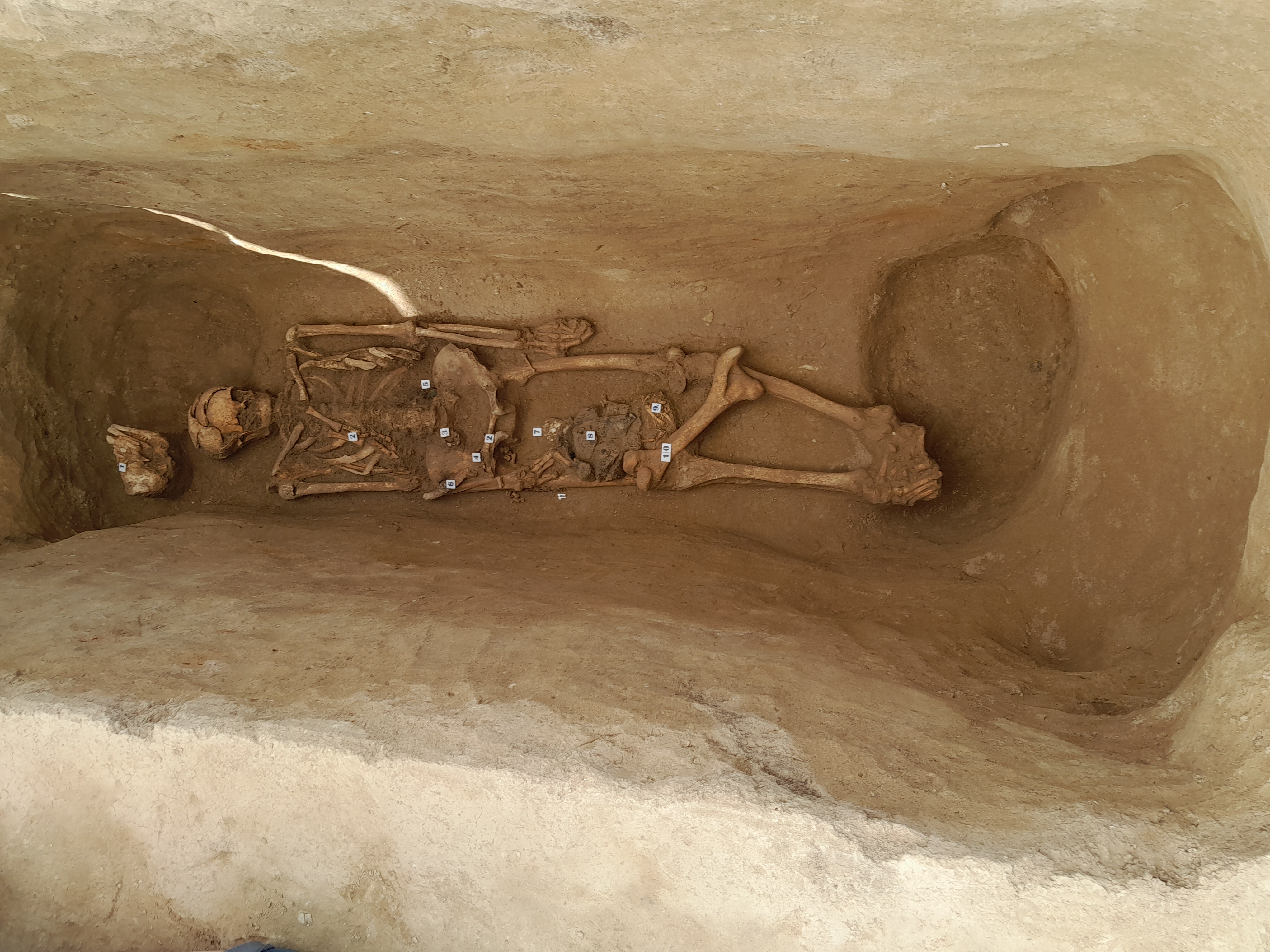
Excavations at the site resumed in 2019 after a long hiatus, under the direction of Frigyes Szücsi, who had previously processed the 6th–9th century cemetery material of the Mezőföld region in his doctoral dissertation.
In 2021, research into Avar settlement around Csákberény reached another milestone: at the nearby Arató-szérű site, not far from the Orondpuszta burial ground, another extensive cemetery was discovered.
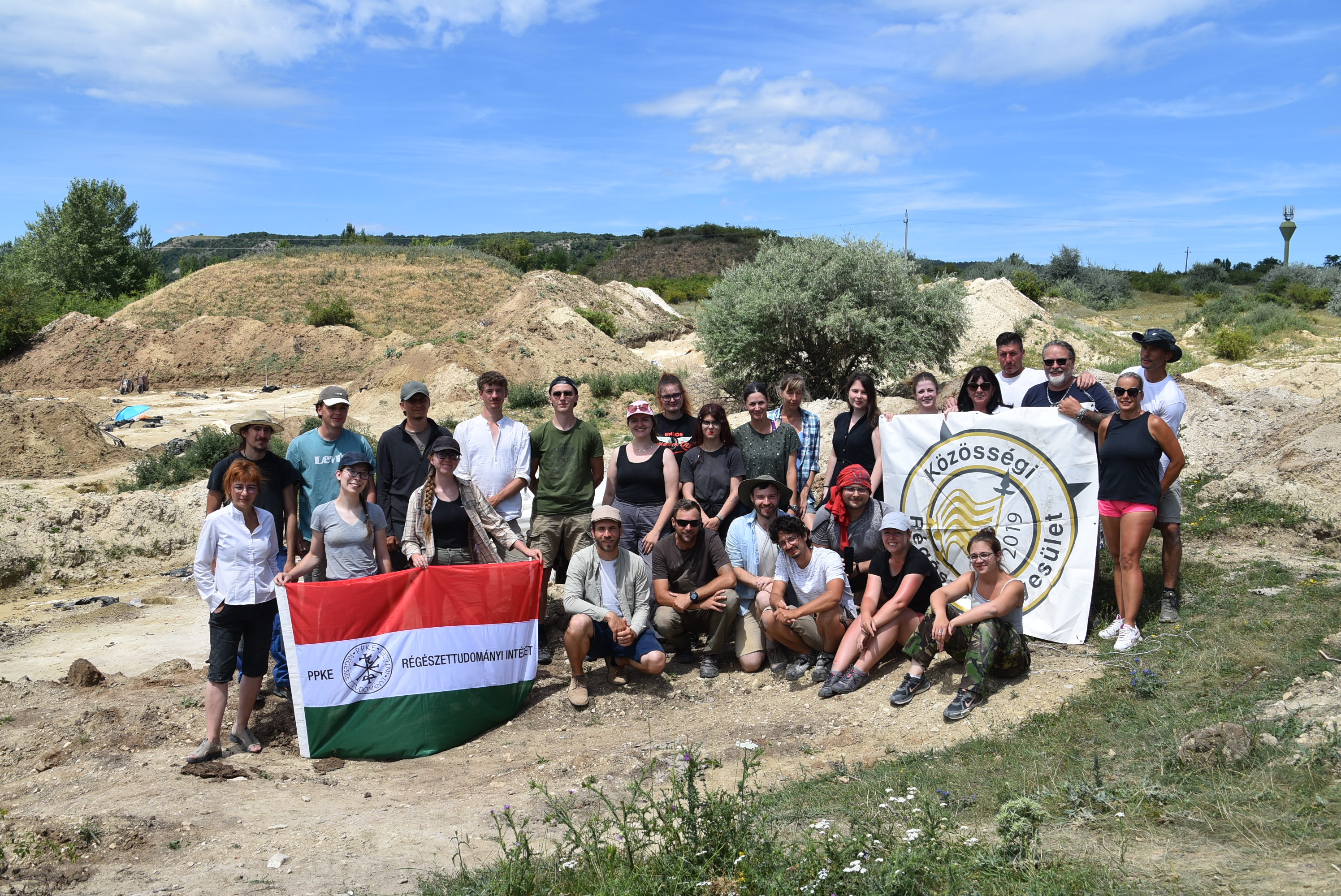
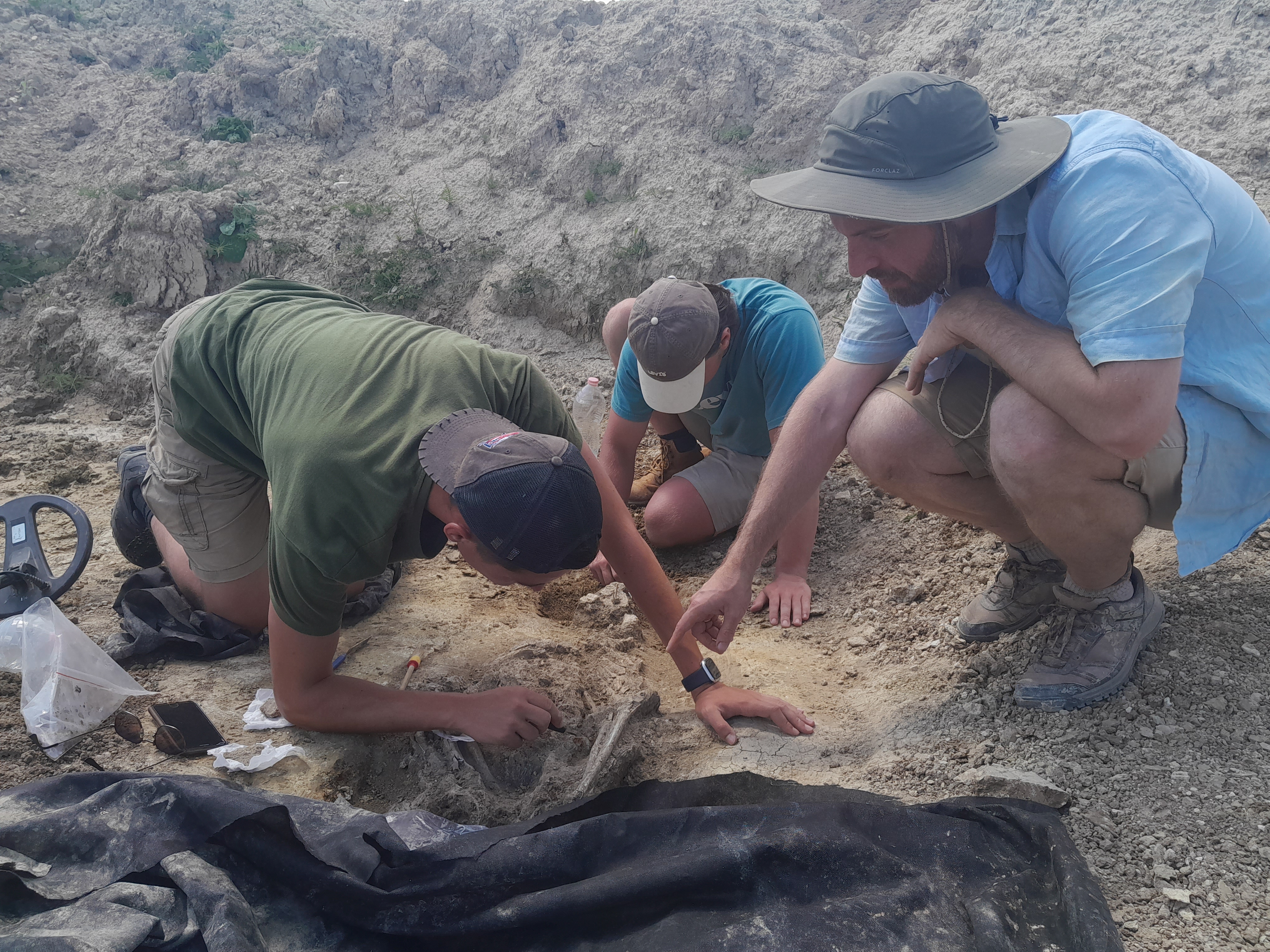
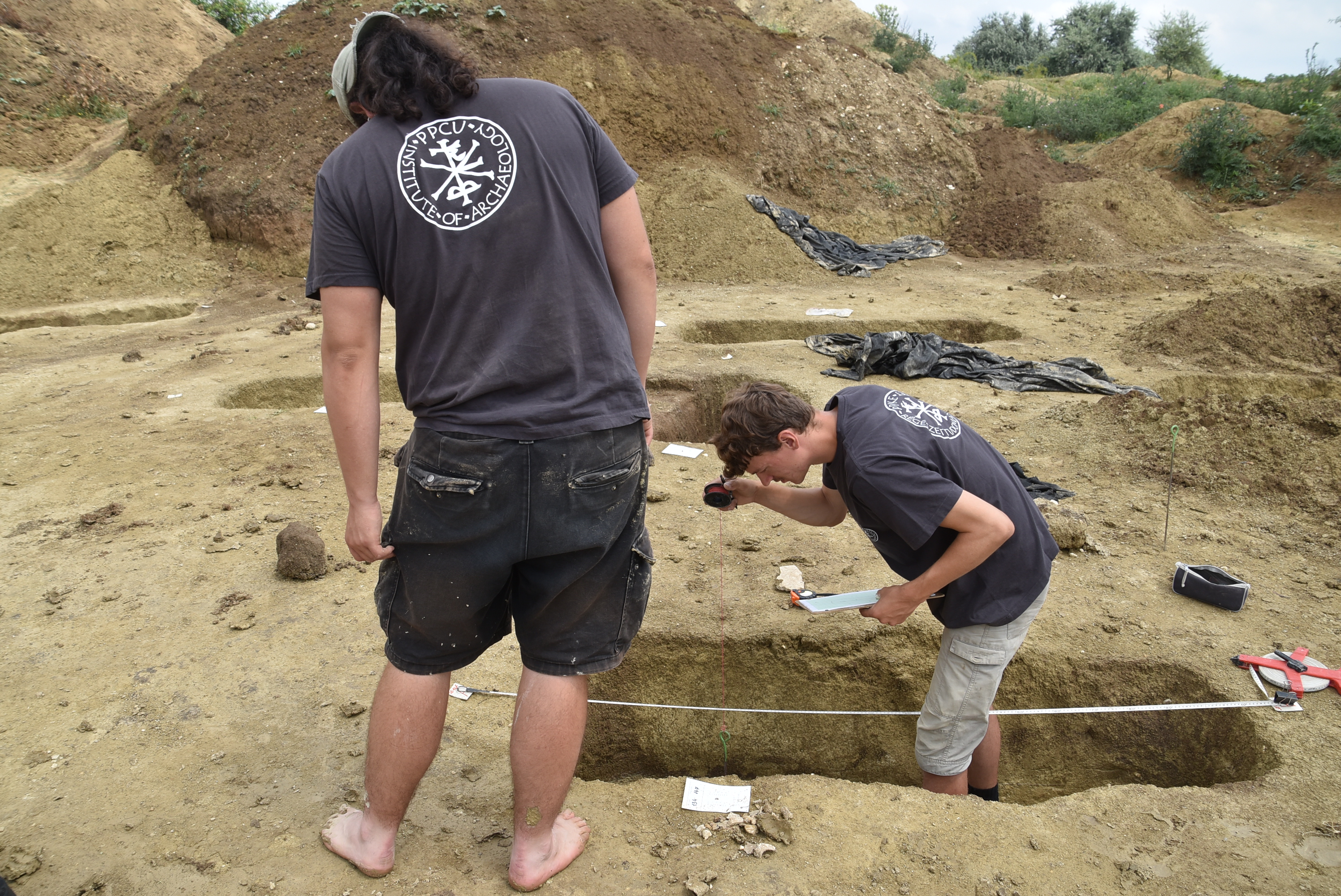
In recent years, the King Saint Stephen Museum in Székesfehérvár and the Community Archaeology Association have carried out exemplary survey work at these sites. In 2024, staff and students of the Hungarian Prehistory and Conquest Period Archaeology Department of the Institute of Archaeology at Pázmány Péter Catholic University (including Attila P. Kiss) also joined the research.
At these two sites, archaeology students of the university will, in the coming years, learn the methods of excavating Migration Period cemeteries through training excavations. Further field investigations of the cemeteries, along with the analysis and study of the recovered finds, are expected to significantly deepen our understanding of the Avar period in the near future.
In the immediate region of Csákberény, the roots of the early phase may extend back to the survival of the local population from the Roman period, alongside influences from nomadic cultures of eastern steppe origin and connections to the Merovingian period. In addition to the rich cultural background of the early phase, the gradual transformations of Avar material culture in the middle and late phases can also be further studied at these sites.